What I told a room full of carriers about modernization (and what I'd add now)
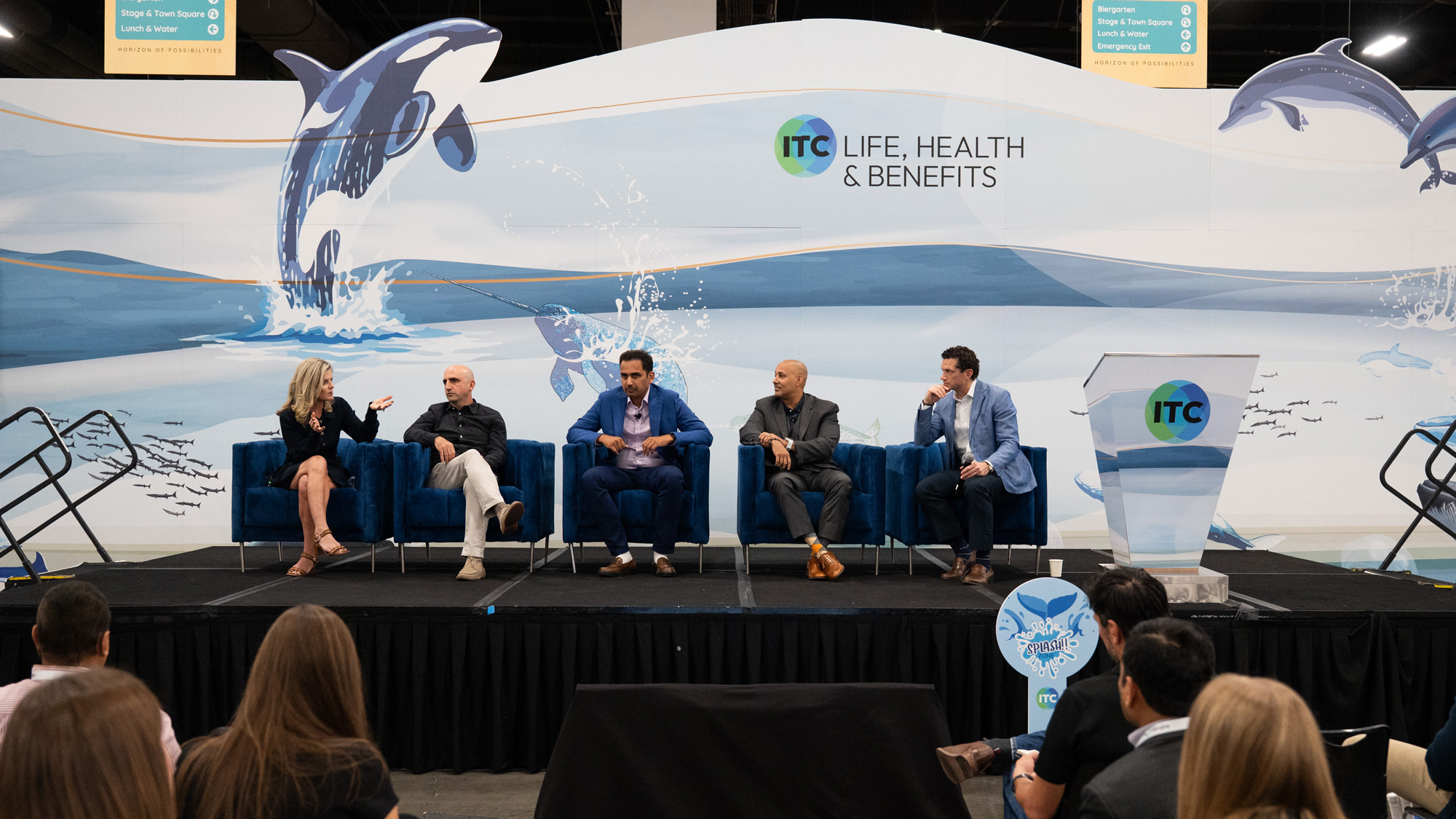
At ITC in Vegas, I spoke on a panel with some other industry heavyweights about their personal journey with legacy modernization. I found myself repeating something I've believed for a while, but I don't say often enough. In fact, it has been our experience at Bestow: modernization shouldn't take three to four years. If it does, something is broken.
That's not a knock on the people doing the work. But it is an industry-wide habit we can’t seem to quit. Somewhere along the way, “transformation” became synonymous with “multi-year initiative.” Some carriers have accepted this pain as if it were inevitable. It isn't. Tech estimates aren’t the problem. What slows things down is everything around tech, including how fast decisions get made and whether they remain intact.
The pattern that matters the most is when leaders lay out a confident plan, and the organization and people closest to the legacy systems become the ones carrying it forward. You’ve got to make sure that layer of the organization understands the vision as well as the leaders do. This means they have to know what a good decision looks like and what to trade off to get to it, and they have to have the authority to make such a decision. Unlocking this will lead to well made plans that survive the organization even if there is turnover. It also means modernization turns into a muscle and not a multi-year slog.
The other thing I discussed with the panel was the need to stand behind a roadmap and be honest about what you aren’t solving yet. You can’t build everything at once. There are trade offs when deciding what to modernize now and what stays untouched in the short term. Taking shortcuts can lead to tomorrow’s tech debt. That awareness has to extend to how you build. When a future platform isn’t part of the plan yet but you’re adding complex logic as if it were, you need to stop and isolate that complexity. Doing so is the difference between a company that ships something new regularly and one that’s mid-transformation much of the time.
What I didn't get to say from the stage because we were out of time, is what keeps me energized about this work. I've had conversations with carriers after a launch that used to start with "call me back in two years, we need to recover." I'm not hearing that anymore. Teams are asking what's next before the ink is dry on the first launch. That shift, from dread to momentum, is the real marker of whether a modernization effort worked. The outcomes are the proof we know this is the new normal and should be expected by everyone.
My goal for 2027 is a small one, but I mean it: I want to bring migration back to the table. That’s because we’re proving it can be done in a cost-effective way. We enable carriers to start simplifying the legacy landscape, making continued transformation even more possible.
Conclusion
When to walk away from a failed tech project
Your life carrier is 18 months into an internal tech build with no sign of ROI. This brief explores how to know when it’s time to pivot, and what comes next.

From the blog
The latest industry news, interviews, technologies, and resources.






.svg)