Bestow’s tech helps life carriers in the $74 billion fight against fraud
The problem
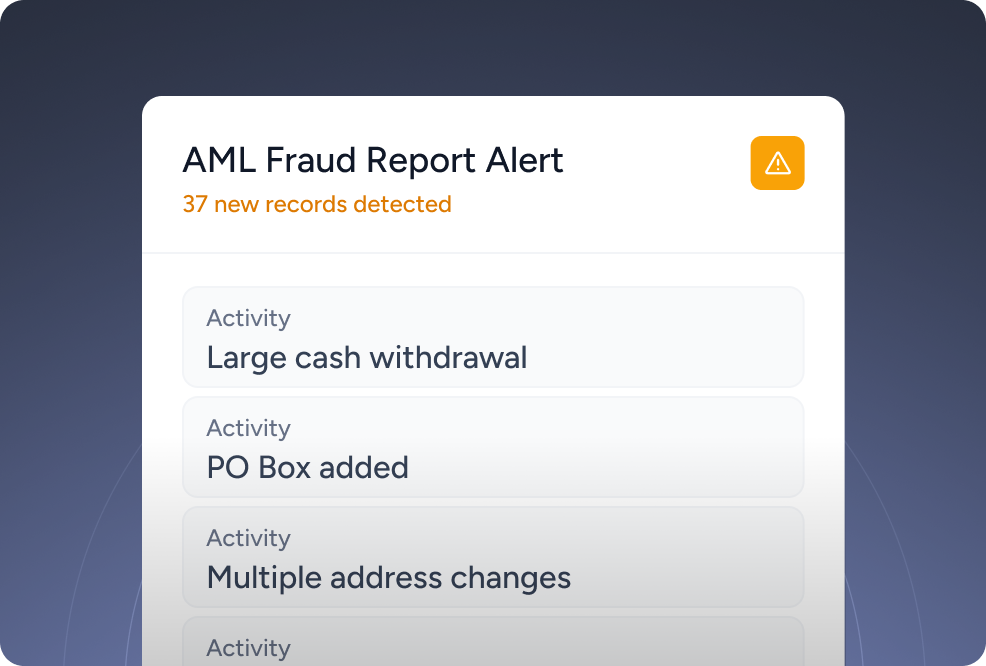
Fraud costs the life insurance industry about $74 billion annually. Across all insurance segments, that number is over $300 billion. And flagging potential fraud is a largely manual process. Administrators and customer support staff must be on the lookout for red flags or indicators, and then manually report those instances for investigation.
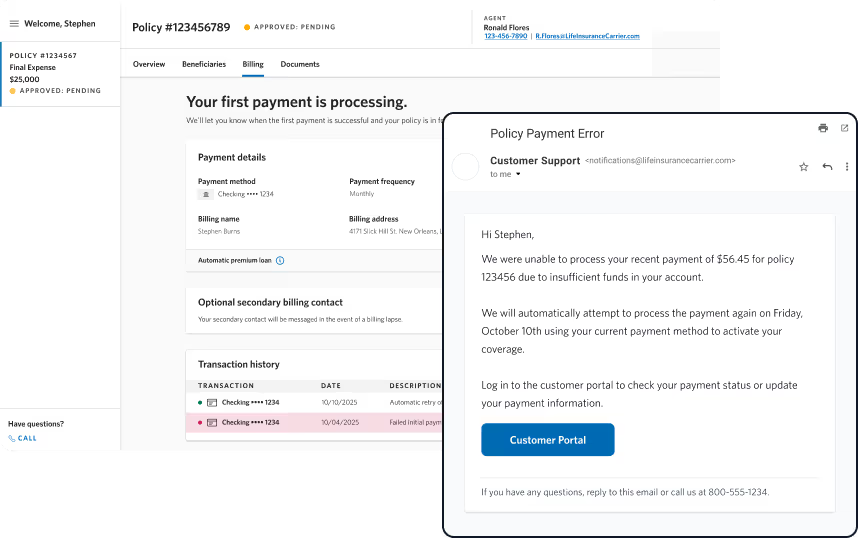
Additionally, customer self-service tools, while game-changing for insurers and policyholders, also present back doors for fraudsters. That’s because mitigation is largely dependent on bad actors interacting with customer service to take actions, like making address or payment changes or policy cancellations. In accessing those online convenience tools, these bad actors better avoid detection by admins and support staff.
Let’s connect.
We’ll show you the platform, and the benefits seen by top carriers.
The solution
We set out to leverage our cloud-based technology platform to streamline and automate the process of flagging potential fraud, with the goal of saving valuable human resources and potentially preventing significant financial losses.
In under 2 months, our engineering, data analytics, and compliance teams collaborated to build, test, and launch an automated alerting tool to internal teams at Bestow.
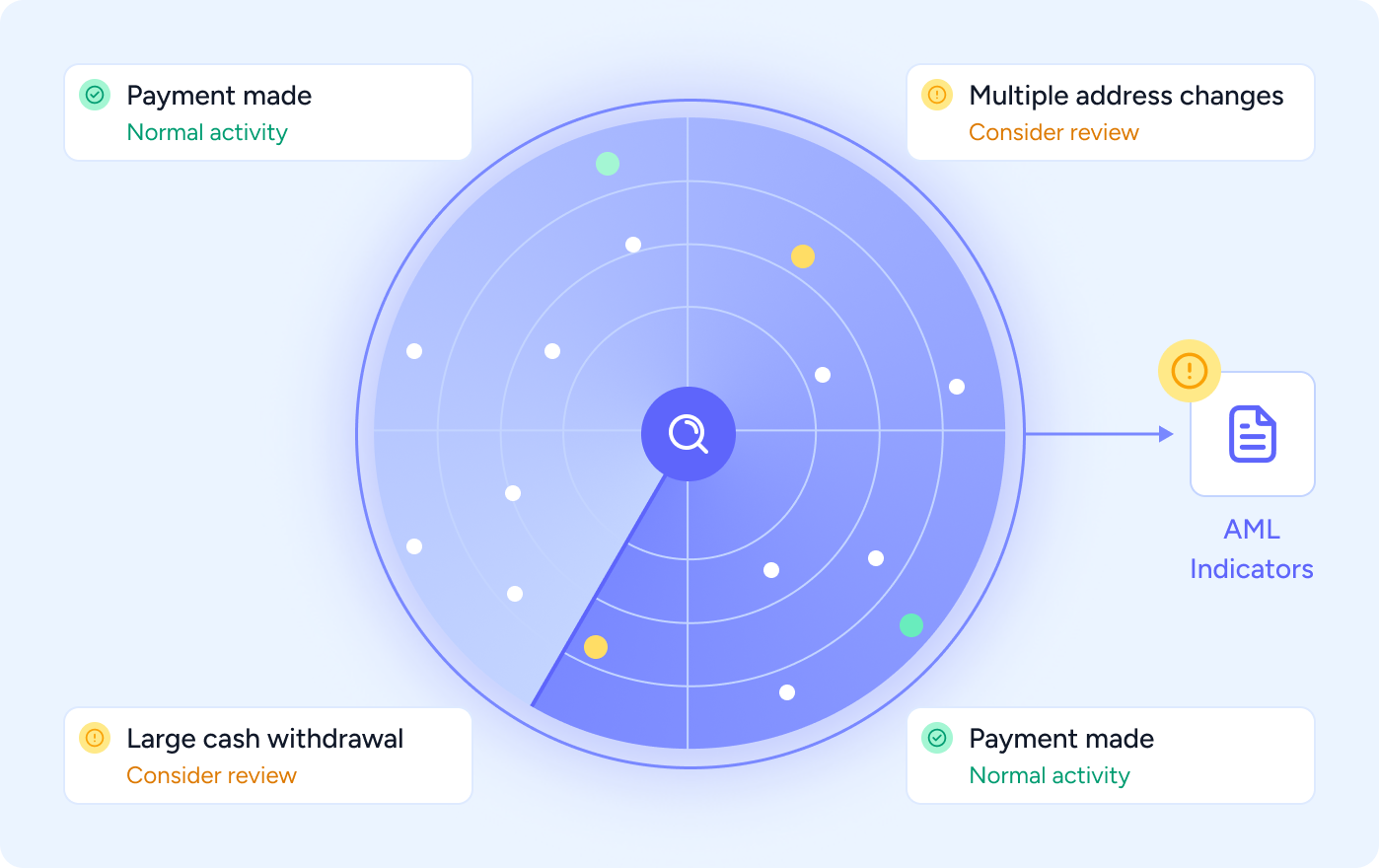
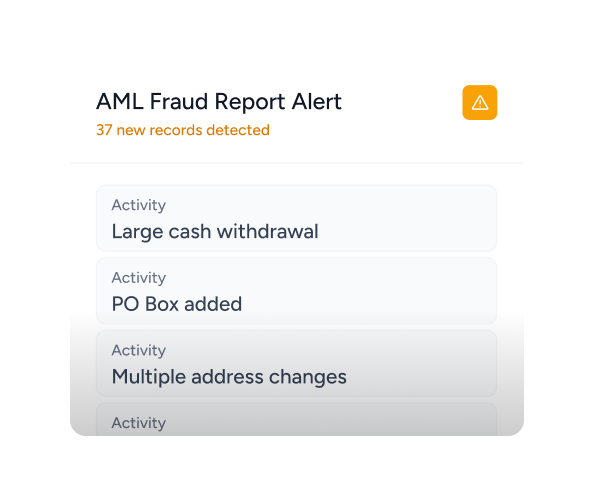
Using powerful modeling to analyze data sets, this tool automatically crawls interaction logs on a daily basis, instantly parsing thousands of data points against an ever-growing list of AML (anti-money laundering) and fraud indicators. Some examples of common potential fraud indicators include:
- Frequently changing payment methods
- Updating an address to a PO box
- Drawing multiple cash value loans in a short period of time
“This tool is integrated into our system and generates red flags overnight for us, meaning daily automatic alerts,” says Lexie Moore, Senior Manager of Analytics at Bestow. “Any fraud ‘hits’ generated are automatically reported for investigation. This automation, combined with the work front line employees already do, is a huge optimization win.” And the results speak for themselves. Compared to a purely human process, our alerting tool flags 10x the number of cases for review as potentially suspicious.


More customer stories


You’ve got goals. We’ve got solutions.
Connect to set up a product demo or to start a conversation about Bestow’s unique end-to-end platform solutions for life insurance and annuities.



.svg)